
Master BLS Certification for Healthcare Professionals
When it comes to saving lives, every second counts. Basic Life Support (BLS) training equips you with the skills to act quickly and confidently in emergencies. Whether you work in healthcare or need safety training for your workplace, mastering BLS is essential. This post will guide you through the key aspects of BLS training essentials, helping you understand what it involves, why it matters, and how you can get certified.
Understanding BLS Training Essentials
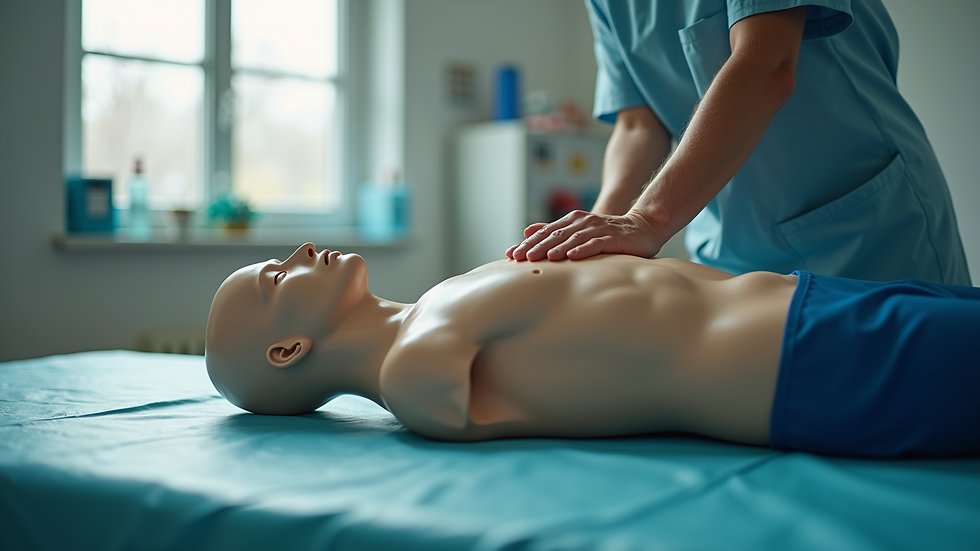
BLS training focuses on teaching you how to recognize life-threatening emergencies and provide immediate care. This includes performing CPR (cardiopulmonary resuscitation), using an AED (automated external defibrillator), and managing choking incidents. The goal is to keep a person alive until professional help arrives.
The training covers:
Chest compressions: How to perform effective compressions to maintain blood flow.
Rescue breaths: Delivering breaths to provide oxygen.
AED use: Operating a defibrillator safely and correctly.
Choking relief: Techniques to clear airway obstructions.
You will practice these skills through hands-on sessions, which build muscle memory and confidence. The training is designed to be straightforward and accessible, so you can learn quickly and retain the knowledge.
Why BLS Training Is Crucial for Everyone
Emergencies can happen anywhere - at home, work, or in public. Knowing BLS means you can be the difference between life and death. Immediate action can prevent brain damage and increase survival chances.
Here are some reasons why BLS training is vital:
Empowers you to act: You won’t hesitate when seconds matter.
Improves patient outcomes: Early CPR and AED use save lives.
Builds workplace safety: Trained staff create a safer environment.
Meets professional requirements: Many healthcare roles require BLS certification.
Even if you are not a healthcare professional, learning BLS is a valuable skill. It prepares you to help family, friends, or strangers in emergencies. The confidence gained from training encourages you to step in and provide care.
Can I get a BLS certification online?
Yes, you can! Many organizations offer blended courses that combine online learning with in-person skills practice. This approach lets you study the theory at your own pace and then attend a hands-on session to demonstrate your skills.
Online BLS courses typically include:
Video lessons explaining key concepts.
Interactive quizzes to test your knowledge.
Downloadable materials for review.
Scheduling options for in-person skills testing.
This flexible format is perfect if you have a busy schedule or prefer learning from home. Just make sure the course is accredited and meets the standards required for your profession or workplace.

How to Prepare for Your BLS Training
Preparation helps you get the most from your BLS course. Here are some tips to ensure you are ready:
Review basic anatomy: Understand the heart, lungs, and airway.
Watch introductory videos: Familiarize yourself with CPR steps.
Wear comfortable clothing: You will practice physical skills.
Bring necessary documents: ID and any course materials.
Arrive rested and focused: Being alert helps you learn better.
During the hands-on session, pay close attention to the instructor’s guidance. Practice the techniques repeatedly until you feel confident. Don’t hesitate to ask questions if something is unclear. Remember, the goal is to be ready to save a life.
What Happens After You Get Certified?
Once you complete your training and pass the skills test, you will receive your certification card. This card is proof that you have met the required standards in BLS.
Here’s what to expect next:
Certification validity: Typically lasts two years.
Renewal process: You will need to retake the course or refresher.
Use your skills: Apply what you learned in real-life situations.
Encourage others: Share your knowledge and promote safety.
Keep your certification current to maintain your readiness. Many employers require up-to-date BLS certification for healthcare roles. Staying certified also boosts your confidence and professionalism.

If you want to take the next step, consider enrolling in a bls certification course today. Respiratory Consulting of Mississippi & CPR offers comprehensive, accessible training designed to empower you with life-saving skills.
Taking Action: Your Role in Emergency Preparedness
Mastering BLS training essentials is more than just earning a certificate. It’s about being ready to act when someone’s life depends on you. By committing to this training, you join a community of prepared individuals who make a real difference.
Here’s how you can stay proactive:
Practice regularly: Refresh your skills even between certifications.
Stay informed: Keep up with updates in emergency care guidelines.
Promote training: Encourage your workplace or community to get certified.
Be confident: Trust your training and step in when needed.
Remember, every life you help save is a powerful reward. Your readiness can bring hope and healing in critical moments.
Mastering BLS training essentials is a vital step toward becoming a confident responder. With the right knowledge and practice, you can face emergencies with calm and competence. Take the initiative today and empower yourself with skills that truly save lives.


Comments